New Forest Commoners and Foresters - who are they?
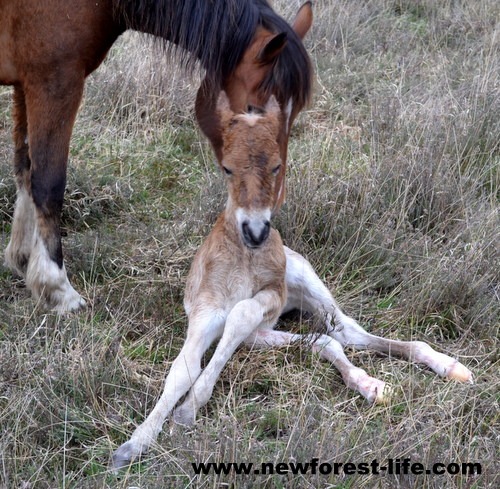
New Forest Commoners and Foresters date back to the creation of the New Forest and their way of life continues now within the New Forest National Park. I'm a Commoner as I have Commoners Rights with my old cottage and that is why I was able to buy my New Forest foal and write his Blog.
The restrictive Forest laws set out by William the Conqueror and his son, Rufus, were too harsh - the New Forest Commoners and Foresters were struggling to make a living from the New Forest. (Perhaps that is why Rufus ended up slain by an arrow)?
A system of rights was established to enable Forest people to survive and these rights remain today.
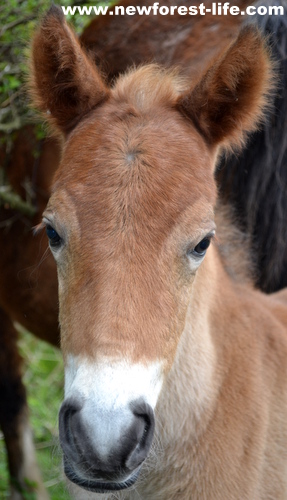
A Commoner is a person occupying land to which common rights are attached. A Forester is a New Forest pony born on the forest from forest stock.
A Forester can also be someone who earns his/her living from the forest, but not necessarily has Commoners rights.
Around 800 houses and smallholdings in the forest have such rights, but not everyone exercises their rights.
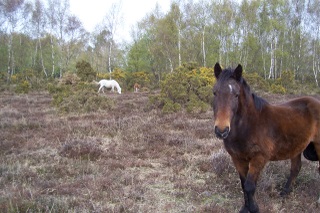
This old boy spends an idyllic life grazing all day on the New Forest except when he comes to my gate to beg a carrot (or two)!
As you should never feed or touch the New Forest ponies I have to admire him and then watch him go off and graze.
He loves to get his thick winter coat off by scratching himself on my fence and by the time he is looking sleek and handsome in his summer coat my fence panels need some attention!
Who could complain at that?
The New Forest Commoners Rights
There are several distinct New Forest Commoners rights.
- Common of Pasture
- This is the right to graze animals on the open forest.
- You may see it described as "de-pasture"
- Common of Turbary
- The right to cut peat or turf to burn as fuel.
- It is required that for every turf cut two are left so that the grass can regrow to cover the gap.
- Common of Estovers
- The right to take wood as fuel
- As part of the ongoing forest maintenance,
- Foresters cut branchwood into lengths known as cords.
- According to their rights Commoners may take a number of cords each year as fuel for their fires.
- Common of Mast
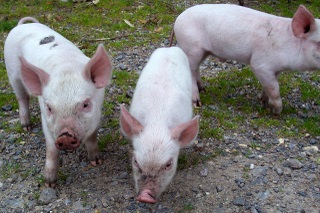
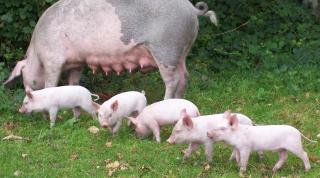
- The right to turn out pigs during a season known as Pannage.
- The start date of Pannage is decided by the Verderers but it always lasts for 60 days.
The Verderers announce the start of pannage when the acorns begin to fall in autumn.
Pigs eat green acorns and beech nuts, which would otherwise be poisonous to ponies. 2013 was a terrible year for New Forest pony deaths from eating green acorns. Many Commoners took their ponies off the forest for a time.
- Common of Marl
- Marl is a clay which can be used as a dressing for soil.
- It is alkaline and acts to neutralise the otherwise acidic forest topsoil.
- Some Commoners have the right to dig marl for this purpose.
- Common of Pasture
- This is for sheep and was mainly used in the past by the monks
- At Beaulieu Abbey and at Godshill, near Fordingbridge
- This is the specific right to allow sheep to graze on New Forest land.
There are very few areas where this is allowed and it is unusual to see sheep on the open forest.
Hopefully you know a little bit more about the New Forest Commoners and Foresters (both human and ponies) now.
Look out for pigs and Pannage usually around October, but it does depend on whether it is very windy and how the acorns are developing.
Share your New Forest stories with us!
Do you have a great story about the New Forest you can share with us?
Here are some helpful links you might find interesting.
The Verderers of the New Forest
The New Forest Pony and Cattle Breeding Society
The New Forest Commoners Defence Association
Home | Contact Me | Terms of Use | About Me |
Please feel free to Contact Me
Tweet #NewForestLifeMy Latest Blogs


-
New Forest Lost Stolen Found is the place for you to post your info
Apr 17, 24 03:53 PM
 New Forest Lost Stolen Found forum for your pet, pony, donkey, dog or other animal
 -
My fairy tale from the New Forest Sunny's Scary Fairy Tale ebook
Apr 03, 24 02:07 PM
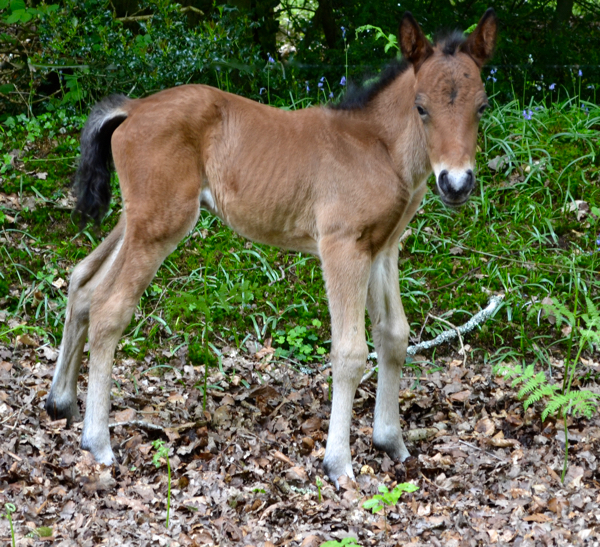 A fairy tale from the New Forest about a little foal, the bad fairy's he has to avoid and the good Mary's who look out for him. And lots of unique photos too!
 -
New Forest National Park Life
Apr 02, 24 08:24 AM
 Welcome to my New Forest National Park Life! Let me share my animal photos and tales with you. Explore my personal recommendations too.